
Traditional Kingdoms and Cultural Heritage in Uganda
Uganda is often introduced through its extraordinary wildlife: mountain gorillas in misty forests, tree-climbing lions, chimpanzees, and the source of the Nile. But to understand Uganda fully, travelers should look beyond the national parks to its living kingdoms—Buganda, Bunyoro, Toro, Busoga, and others—where history, language, music, ceremony, and identity remain part of everyday life.
For first-time visitors, a cultural journey through Uganda’s traditional kingdoms transforms a safari from a series of wildlife encounters into a deeper encounter with East Africa itself. With thoughtful planning, you can pair gorilla trekking and game drives with royal heritage sites, community-led performances, traditional crafts, and conversations that reveal how Uganda’s past continues to shape its present.
A Living Heritage, Not a Museum
Uganda’s kingdoms are not merely historical curiosities. Although their political powers changed dramatically during colonial rule and the modern Ugandan state, many were restored in the 1990s as cultural institutions. Today, they act as custodians of tradition—preserving languages, royal customs, clan systems, music, dance, oral history, and sacred sites.
This makes Uganda especially rewarding for culturally curious travelers. You are not simply observing artifacts behind glass; you may find yourself standing before a royal tomb, listening to a storyteller explain a proverb, watching barkcloth being made, or hearing drumming that carries meanings passed down through generations.
The key is respectful, well-guided travel. Cultural heritage should never be treated as entertainment alone. The most meaningful experiences come when visitors arrive with curiosity, humility, and an understanding that these places remain spiritually and socially important to local communities.
Buganda: The Heart of Central Uganda
Buganda is Uganda’s largest and most influential traditional kingdom, centered around Kampala and the shores of Lake Victoria. Its people, the Baganda, speak Luganda, and the kingdom’s monarch is known as the Kabaka. Buganda’s history stretches back centuries, with traditions tracing its founding to Kato Kintu, regarded in oral tradition as the first Kabaka.
Buganda’s political and cultural organization has long been sophisticated. The kingdom is built around clans, chiefs, royal institutions, and a strong sense of collective identity. The Kabaka is both a historical symbol and a living cultural figure for many Baganda people.
Kasubi Tombs
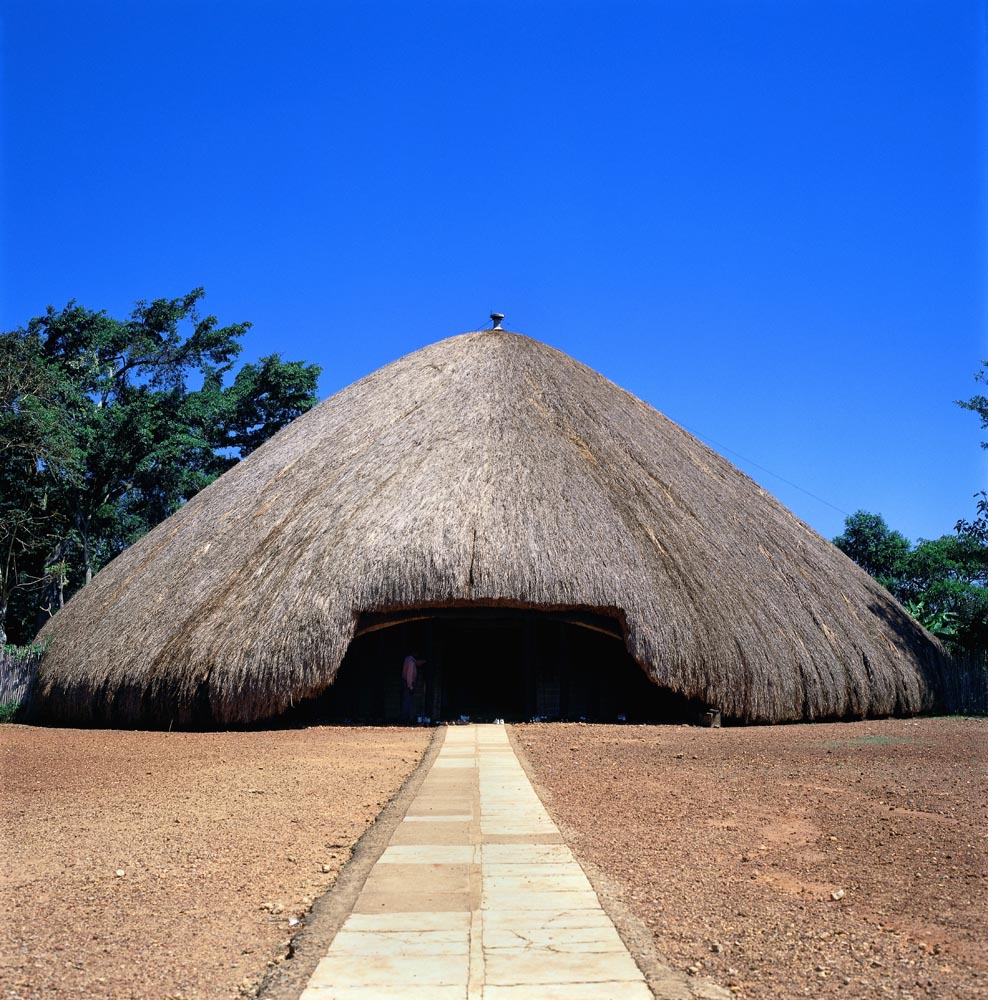
No cultural visit to Kampala is complete without the Kasubi Tombs, the burial site of four former Kabakas of Buganda. Located on Kasubi Hill, the site was originally built as a palace in 1882 under Kabaka Muteesa I and later became a royal cemetery. Its great circular thatched building, Muzibu Azaala Mpanga, is an exceptional example of traditional Ganda architecture, constructed largely from natural materials.
Kasubi is also a UNESCO World Heritage Site, inscribed in 2001. More importantly, it remains an active spiritual and cultural center for the Baganda. Visitors should approach it as guests at a living heritage site—not simply as tourists viewing an old building.
A knowledgeable guide can explain the symbolism of the architecture, the role of clans, royal burial traditions, and the resilience of a site that suffered a devastating fire in 2010 and has since undergone major restoration efforts.
Culture Beyond the Royal Sites
In and around Kampala, cultural experiences can include:
- Learning about the Baganda clan system, which connects families to totems, ancestral responsibilities, and social identity.
- Exploring local markets, craft workshops, and galleries featuring barkcloth, baskets, pottery, and contemporary Ugandan design.
- Attending traditional dance and drumming performances, where movement, costume, and rhythm communicate history and community values.
- Sharing a meal featuring dishes such as luwombo, a stew traditionally steamed in banana leaves, alongside matoke, groundnuts, and fresh local produce.
Buganda offers an ideal introduction to Uganda because it places the country’s cultural depth within easy reach of Entebbe International Airport, making it an excellent first or final stop on a safari itinerary.
Bunyoro: Ancient Power in Western Uganda
Westward from Kampala lies Bunyoro, a kingdom whose roots reach back to the historic Bunyoro-Kitara sphere of influence. For travelers heading toward Murchison Falls National Park, Kibale National Park, or the western safari circuit, Bunyoro offers a chance to connect Uganda’s royal history with some of its most celebrated landscapes.
Bunyoro’s monarchy is led by the Omukama, and the kingdom’s heritage is closely tied to ideas of kingship, territorial authority, and oral tradition. Its history is complex and sometimes contested, but that complexity is precisely what makes it compelling: Bunyoro reminds visitors that Uganda’s past was shaped by powerful African states long before colonial borders were drawn.
A culturally sensitive visit might include time in Hoima, conversations with local historians or cultural custodians, and exploration of sites connected to royal tradition. Combined with chimpanzee tracking in Kibale or a boat safari on the Nile, Bunyoro adds historical texture to western Uganda’s natural wonders.
Toro: Mountains, Royal Tradition, and Rwenzori Views
The Kingdom of Toro, based around Fort Portal in western Uganda, is one of the country’s most scenic cultural destinations. Set beneath the Rwenzori Mountains and near crater lakes, tea estates, and lush farmland, Toro blends royal heritage with some of Uganda’s most beautiful landscapes.
The Omukama of Toro is the kingdom’s monarch, and Toro’s royal institutions remain an important part of local identity. For travelers, the region offers a gentler, more intimate cultural experience than Kampala: visits to royal and historical sites, encounters with local communities, and time in towns where tradition is woven into daily life.
Toro pairs exceptionally well with:
- Kibale National Park, renowned for chimpanzee trekking.
- Semuliki National Park, with its lowland forest and hot springs.
- The crater lakes region, ideal for scenic walks, birdwatching, and community visits.
- Queen Elizabeth National Park, where savannah wildlife meets the foothills of the Rwenzoris.
Here, culture and nature are not separate experiences. A morning spent learning about Toro’s heritage can flow naturally into an afternoon among crater lakes or an evening listening to local music beneath mountain views.
Busoga: The Kingdom Near the Source of the Nile
East of Kampala, near Jinja, lies Busoga, home to the Basoga people and the Kyabazinga, the kingdom’s cultural leader. Unlike hereditary monarchies where succession passes directly through one royal line, the Kyabazinga is selected through a council of hereditary chiefs—an important distinction that reflects Busoga’s distinctive political traditions.
Jinja is already famous among adventure travelers as a base for white-water rafting, kayaking, quad biking, and visits to the source of the Nile. But Busoga’s cultural heritage gives the region another dimension. Visitors can explore local communities, learn about Basoga traditions, and understand how the Nile is not only an adventure playground but also a cultural and economic lifeline.
For travelers combining Uganda with Kenya or Tanzania, Busoga is a natural eastern gateway. It offers an excellent opportunity to slow down after a safari and experience the human landscapes that surround Uganda’s rivers, towns, and trading routes.
Why Culture Belongs on Every Uganda Safari
Many first-time visitors plan Uganda around gorillas, chimpanzees, and classic savannah wildlife. Those experiences are unforgettable—but culture gives them context.
A safari becomes richer when you understand that the forests, rivers, hills, and lakes you travel through are also ancestral landscapes. They hold stories, clan histories, spiritual meanings, and community memories. When you visit a kingdom’s heritage site or meet local artisans and performers, you begin to see Uganda as a country of living traditions rather than a backdrop for photographs.
Cultural travel also supports communities more directly. Choosing locally guided experiences, purchasing crafts from makers rather than mass-produced souvenirs, and respecting community protocols help ensure that tourism benefits the people who sustain these traditions.
How to Travel Respectfully
Ugandans are widely known for their warmth, but cultural sensitivity matters—especially at royal, spiritual, and community sites.
- Ask before photographing people, ceremonies, or sacred spaces. A smile and a polite request go a long way.
- Dress modestly at cultural and religious sites. Shoulders and knees covered is a safe default.
- Follow your guide’s lead. Local guides understand protocols around greetings, movement, speech, and sacred areas.
- Learn a few greetings. Even simple phrases in Luganda or another local language can open doors and show respect.
- Avoid treating ceremonies as performances. Some events are public celebrations; others are deeply personal or spiritual.
- Buy ethically. Support artisans, community cooperatives, and cultural centers rather than seeking the cheapest souvenir.
The goal is not to “consume” culture, but to be welcomed into it appropriately.
Sample Cultural Safari Route
A well-designed Uganda itinerary can weave culture into every stage of the journey:
- Kampala and Buganda — Arrive in Entebbe, explore Kampala, visit the Kasubi Tombs, and experience Buganda’s royal and artistic heritage.
- Jinja and Busoga — Travel east to the Source of the Nile, combining adventure activities with Basoga cultural encounters.
- Fort Portal and Toro — Continue west for crater lakes, Rwenzori views, chimpanzee trekking in Kibale, and Toro’s royal heritage.
- Bunyoro and Murchison Falls — Visit Hoima and Bunyoro before continuing to Murchison Falls for game drives and Nile boat safaris.
- Southwestern Uganda — Finish with gorilla trekking in Bwindi Impenetrable National Park, alongside community-led experiences around the forest.
This kind of route balances wildlife, landscapes, and human connection—ideal for travelers who want more than a checklist of animals.
Travel With Cultural Understanding
Uganda’s traditional kingdoms offer something rare: a chance to experience Africa’s heritage as living, evolving, and deeply local. From the royal architecture of Buganda to the mountain landscapes of Toro, the Nile-side traditions of Busoga, and the ancient legacy of Bunyoro, every region adds a new layer to the story.
At Africa Exquisite Tours, we believe the finest safaris are built on both wonder and understanding. Our team designs journeys that connect travelers with Uganda’s wildlife while also supporting respectful, community-centered cultural experiences. Whether it is your first safari or your fifth journey through East Africa, Uganda’s kingdoms invite you to see the country not only through its landscapes—but through its people, memories, and enduring traditions.
Let Uganda surprise you. Come for the gorillas, stay for the stories, and leave with a deeper appreciation of one of Africa’s most culturally rich destinations.
Plan your journey
Your African Journey Starts Here
Tell us where you want to go, what you want to experience, and we’ll create a journey around you.